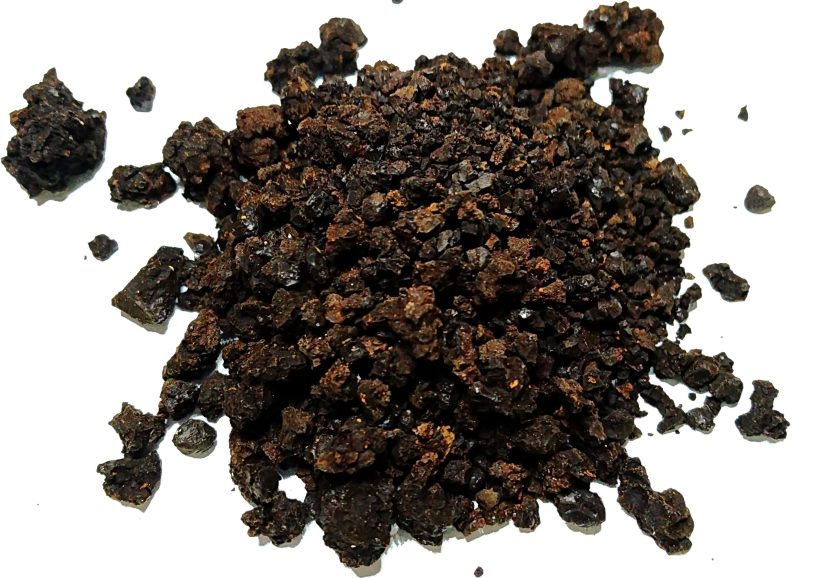
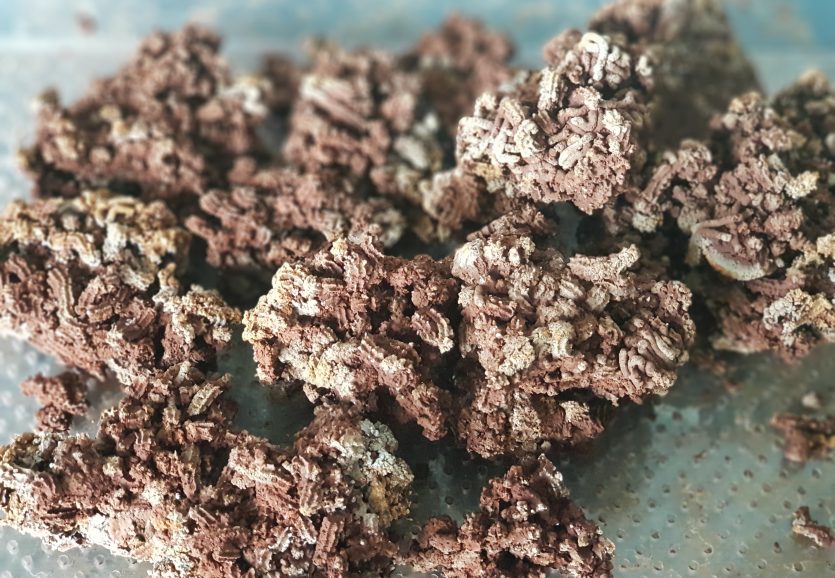
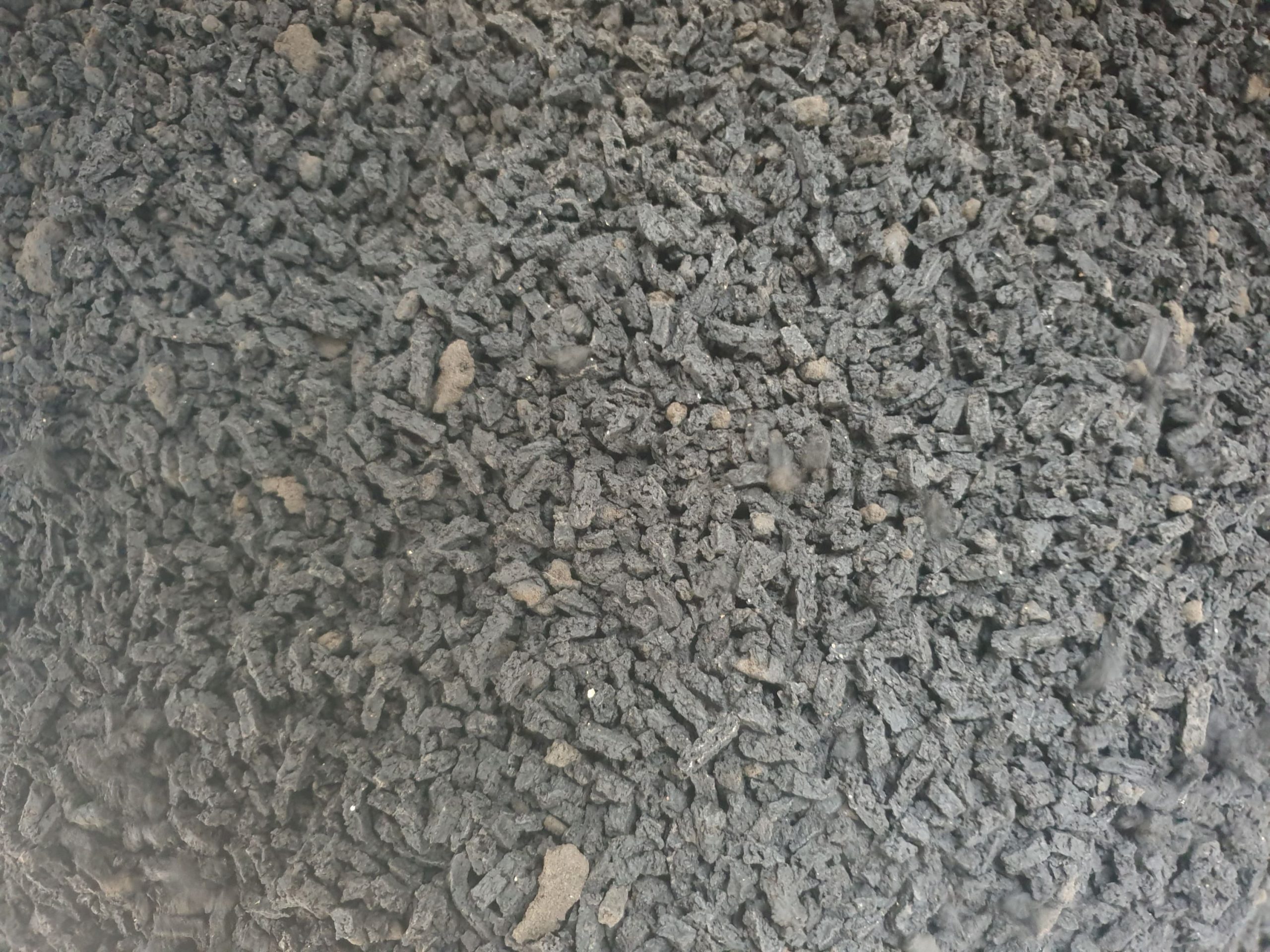
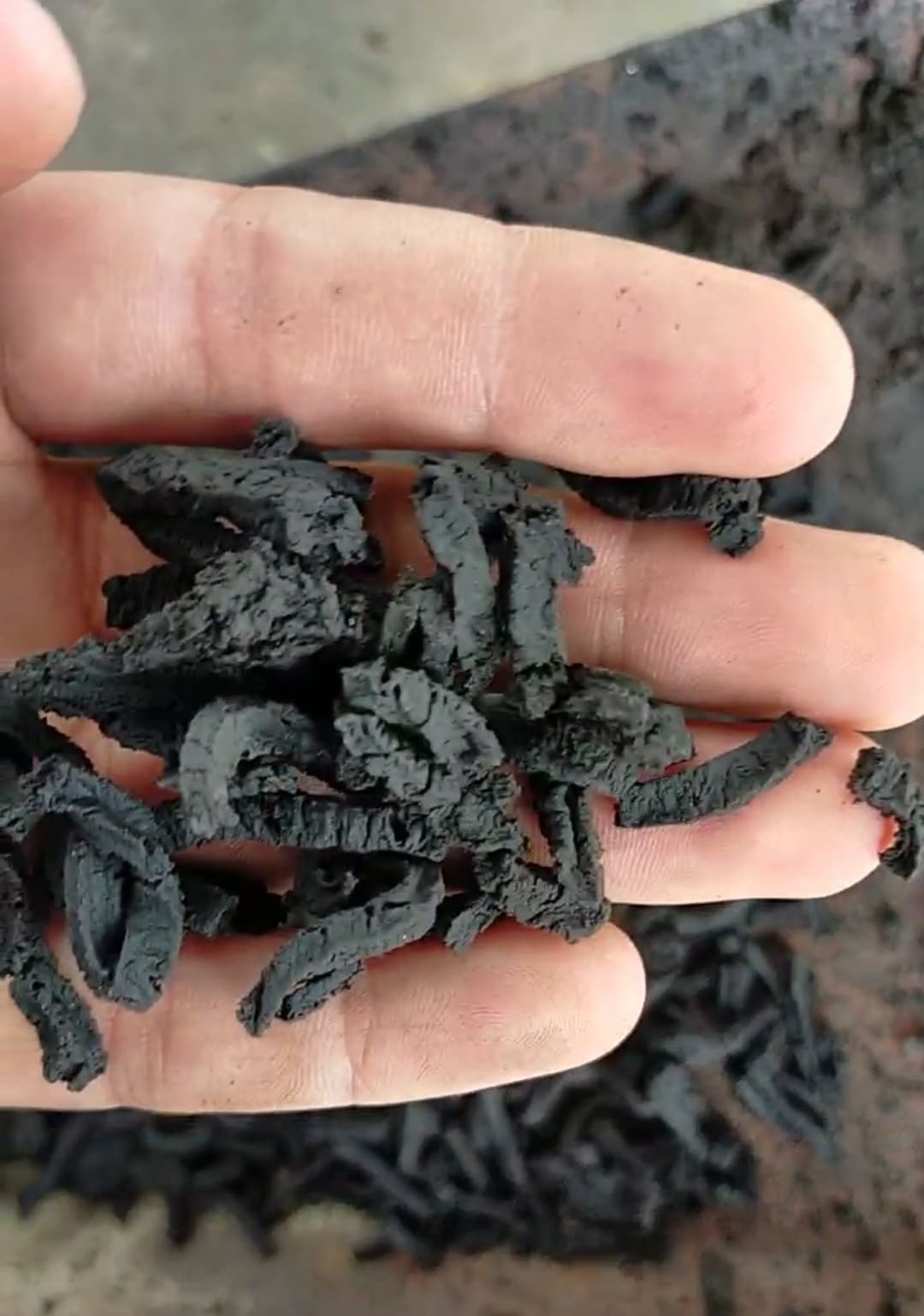
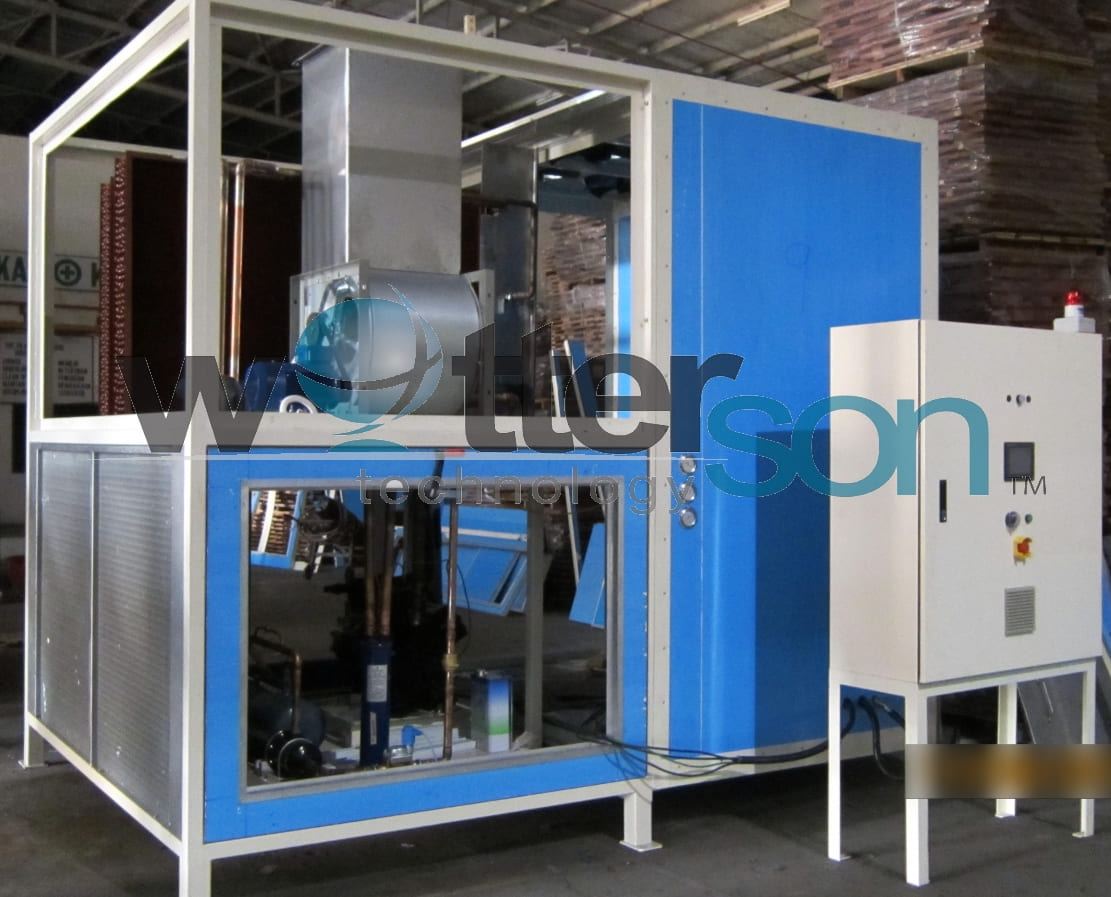
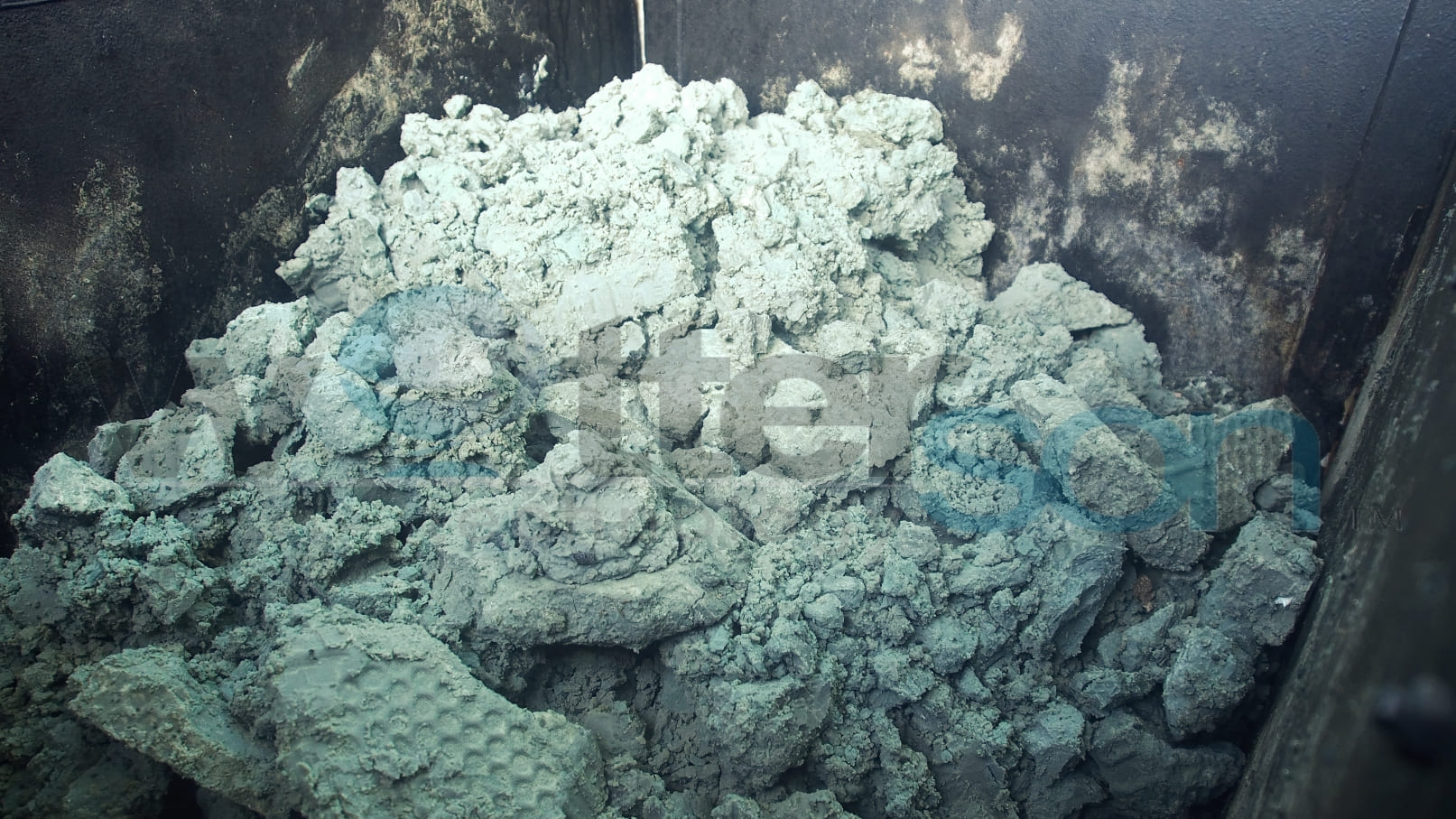
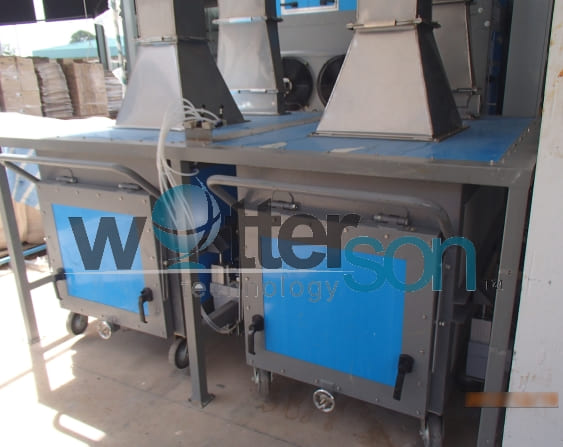
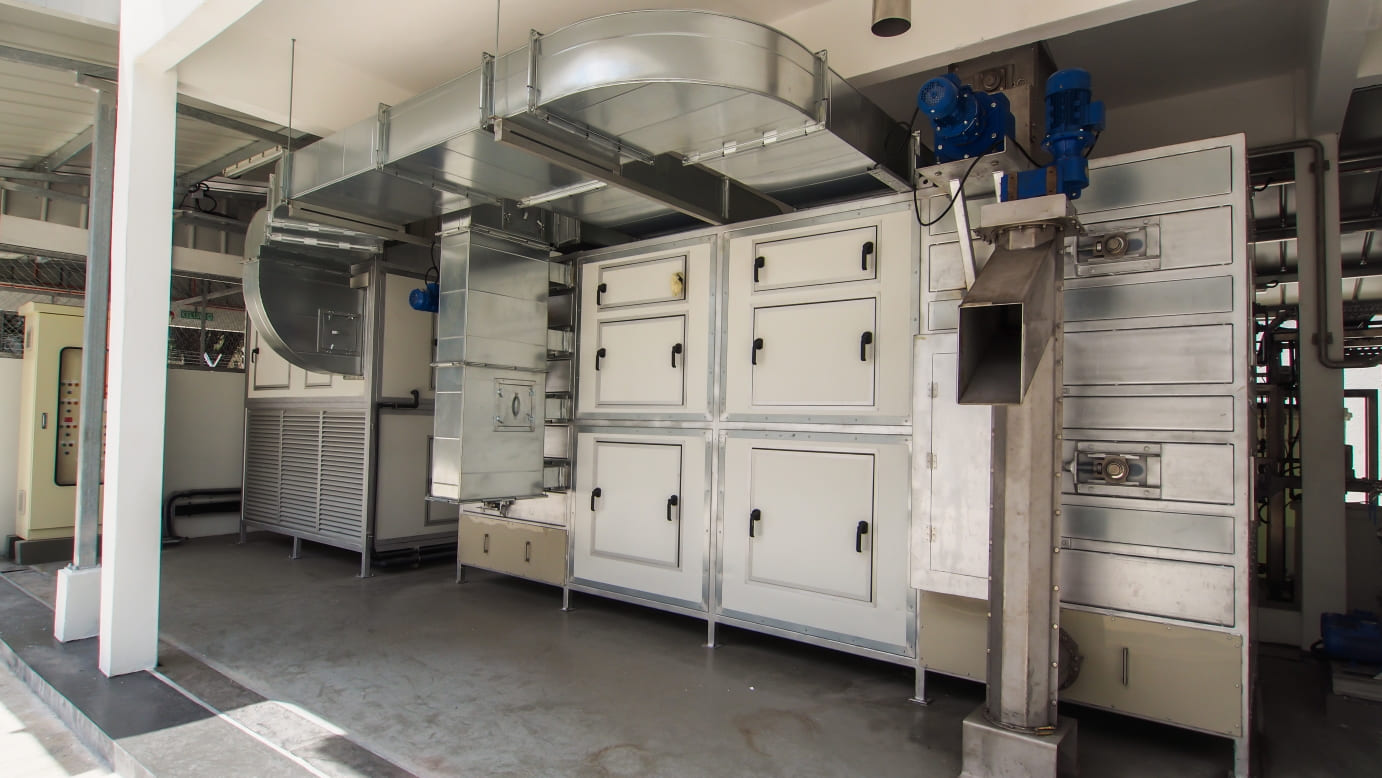
Watterson’s OKADA Dryer low temperature drying uses refrigerant heat pump technology to generate Hot Dry Air for sludge drying. The principle of the technology used is highly energy efficient utilizing approximately only 0.2 – 0.3 kWh per kg of wet sludge dried (depending of wet sludge moisture content). The dryer can produce dried sludge moisture content as low as 10% with up to 60-70% weight reduction. OKADA Dryer have served and given satisfaction to more than hundreds of customers from various industries.
For further enquires on the type of sludge to be dried, we provide Free of charge in-house 5-10kg pilot test & 500 kg/day on-site test unit(min. chargeable fee)
OKADA Dryer which utilizes a hot dry air generators using refrigerant heat pump has the capability to evaporate water moisture from wastewater sludge thereby reduces the moisture content and weight. Without the use of any flammable heat source such as fuel, heater element, gas burner etc, OKADA Dryer dries the wet sludge in an intrinsically safe and energy efficient solution. The disposal cost of the toxic sludge is significantly reduce due to the weight reduction and are easy disposed.
The OKADA Sludge Dryer operates by the dehydration principle of circulating dry hot air at 50°C to 60°C through a designated volume of sludge cake. Moisture evaporated from the wet sludge cake will then be channeled to the dehumidifying unit and water moisture condensed via a cooling coil heat exchanger. The dry air is then reheat via the heating coil. The dry hot air with enormous water adsorbing capacity is then reintroduced to the drying chamber and circulated in a closed-loop through the entire system again. The refrigeration cycle of combined energy of both cold and hot heat exchangers; give an advantage of a high energy efficiency in the drying process.